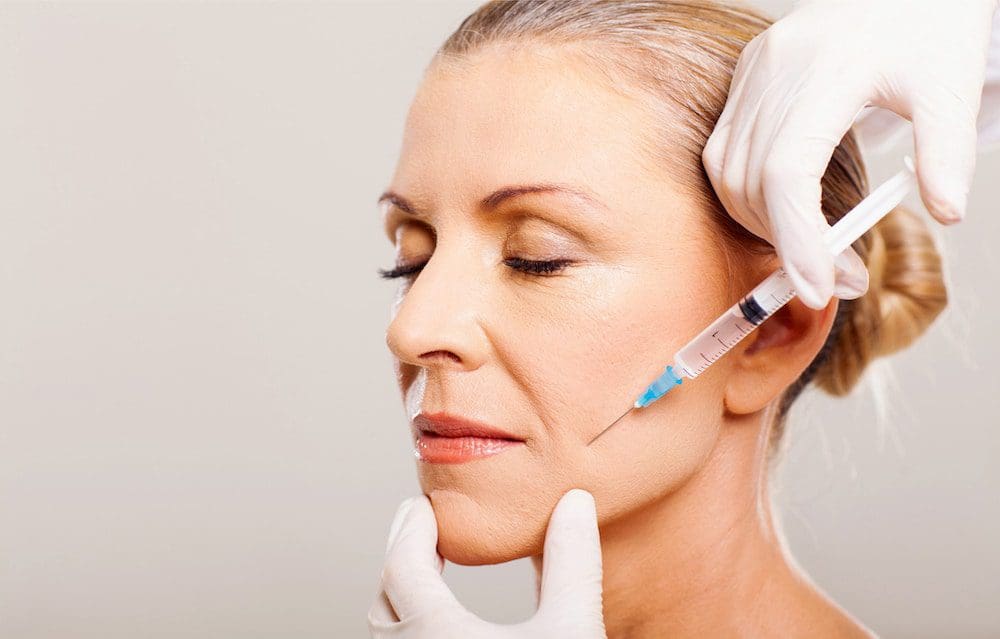
Many women notice their skin changing around the menopause, often quite quickly, and are surprised by how much it affects how they feel. Dryness, a loss of firmness, new lines and a general dullness are all common, and they are not imagined. Understanding why this happens makes it easier to decide what, if anything, you want to do about it. This guide explains the changes and the non surgical options that can help.
Why skin changes at the menopause
Oestrogen plays an important role in skin health. It supports collagen, hydration and elasticity. As oestrogen levels fall during the perimenopause and menopause, collagen production slows noticeably, the skin holds less moisture, and it becomes thinner and less resilient. Many women describe a sense that their skin changed within a year or two rather than gradually over a decade, and that reflects how significant the hormonal shift is.
The changes people notice most
The most common concerns are dryness that moisturiser no longer seems to fix, a loss of firmness particularly along the jawline and neck, a crepey texture around the eyes and mouth, dullness, and sometimes a flatter midface as the supporting structures of the face change. Each of these has a different cause and therefore a different approach, which is why one treatment rarely addresses everything.
Treatments that support hydration and firmness
For dryness, dullness and a loss of firmness, skin quality treatments are often the most sensible starting point. Profhilo works across the face or neck to improve hydration and firmness. Skin boosters deliver hydration into specific areas. For crepey or thin skin, particularly under the eyes, polynucleotides support the skin’s own repair. These treatments do not change your features, which is exactly why many women in this stage of life prefer them.
Treatments that support texture and radiance
Where the concern is texture and tone, microneedling encourages the skin’s renewal, and a chemical peel can brighten and smooth. Autumn and winter are ideal seasons for both.
When volume loss is the real concern
Sometimes what looks like sagging is actually a loss of support in the midface. In those cases, gently restoring structure with cheek filler can refresh the whole face more effectively than any skin treatment. Knowing which applies to you is a matter of assessment, not guesswork.
The value of a doctor’s perspective
Skin changes at the menopause are part of a wider picture of health, and a medical background helps in understanding them properly. Dr Mirali Patel, who is registered with the General Medical Council and holds a Level 7 Diploma in Aesthetic Medicine, approaches these concerns as a doctor first. That includes being honest about what a treatment can and cannot achieve, and recommending less rather than more where that is the right answer.
Talking it through
If you have noticed your skin changing and would like to understand your options, a consultation is a calm place to start. You are welcome at the Streatham clinic or the Sydenham clinic.